LodgeStream
See lodges, lakes, boats and cabins from across Ontario.
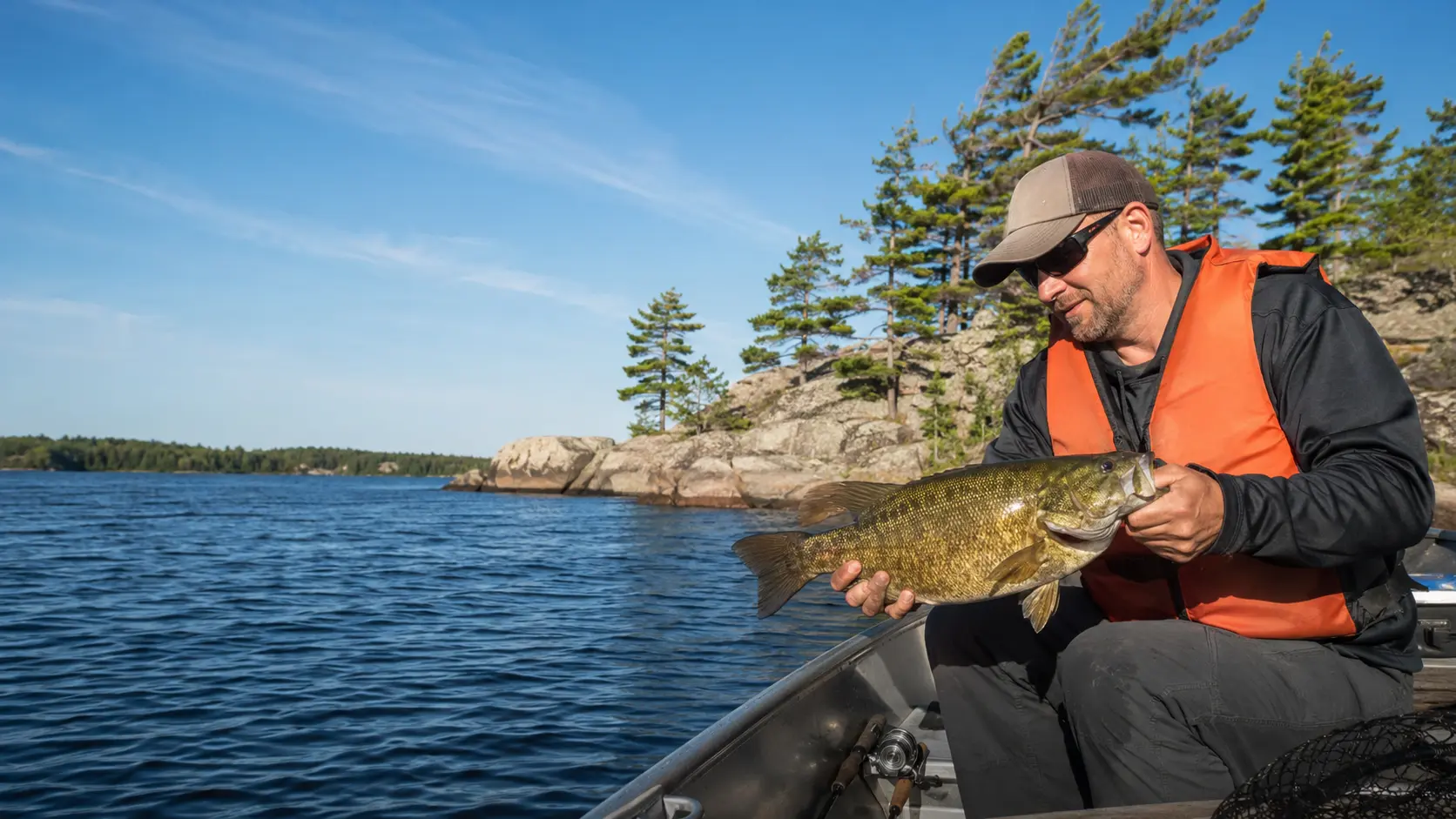
Bronzebacks, rocky water and some of the hardest fights in freshwater.
For aerial leaps and hard pulls, few fish compare with the smallmouth bass. Many anglers rate the bronzeback as one of Ontario's strongest fish pound for pound.
Smallmouth bass prefer cool, clear and rocky lakes and rivers. They eat plenty of crayfish, so rocks, pebbles and boulders are always worth fishing. Points, reefs, current seams and sharp drop-offs can all hold fish.
Jigs and smallmouth bass belong together. Tubes, twister tails and shad-style plastics mimic crayfish and baitfish. Brown, black, smoke and orange are proven colours in rocky water.
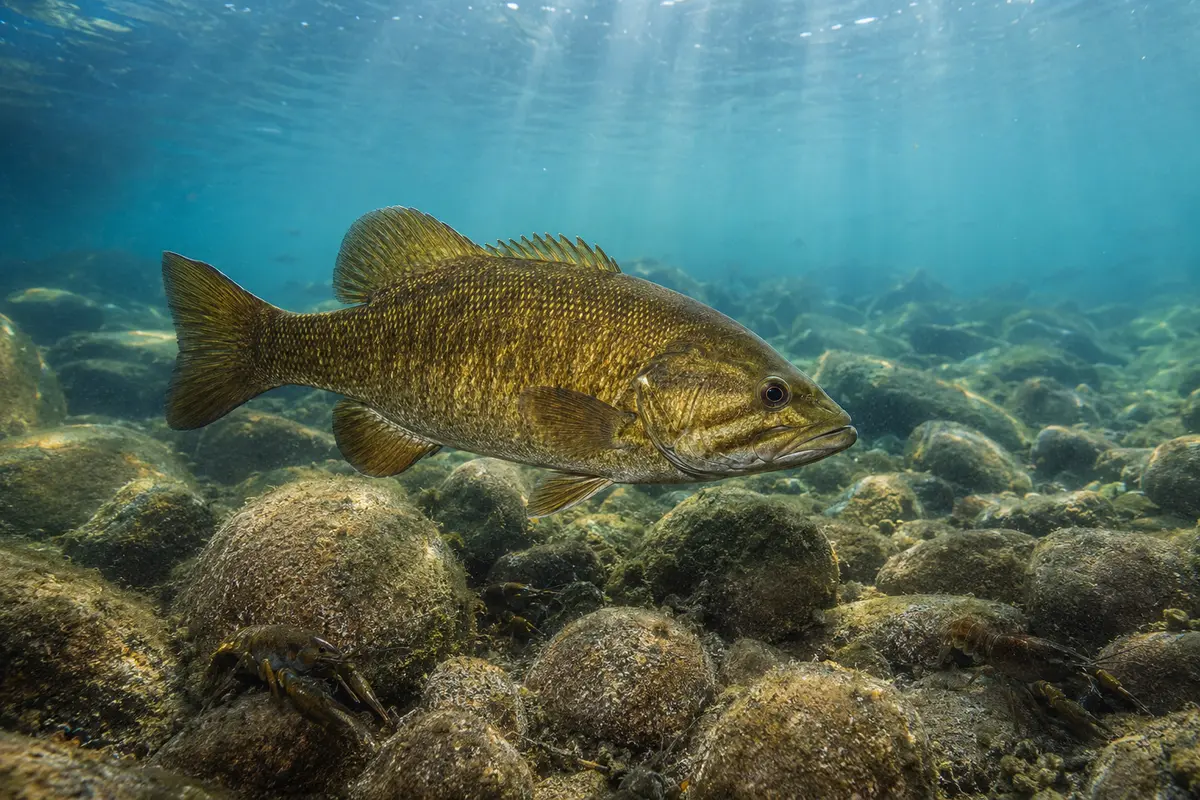
Topwater poppers and walking baits bring exciting strikes when fish are shallow. Spinnerbaits and crankbaits cover water, while a tube or small jig can pick apart a reef. Keep moving until you contact fish, then slow down and work that area carefully.
See lodges, lakes, boats and cabins from across Ontario.
Techniques for fishing weeds and thick largemouth cover.
Start on rocky points, shoals, boulder banks and current areas in cool, clear lakes and rivers.
A tube jig in a crayfish colour is one of the most dependable choices in Ontario.
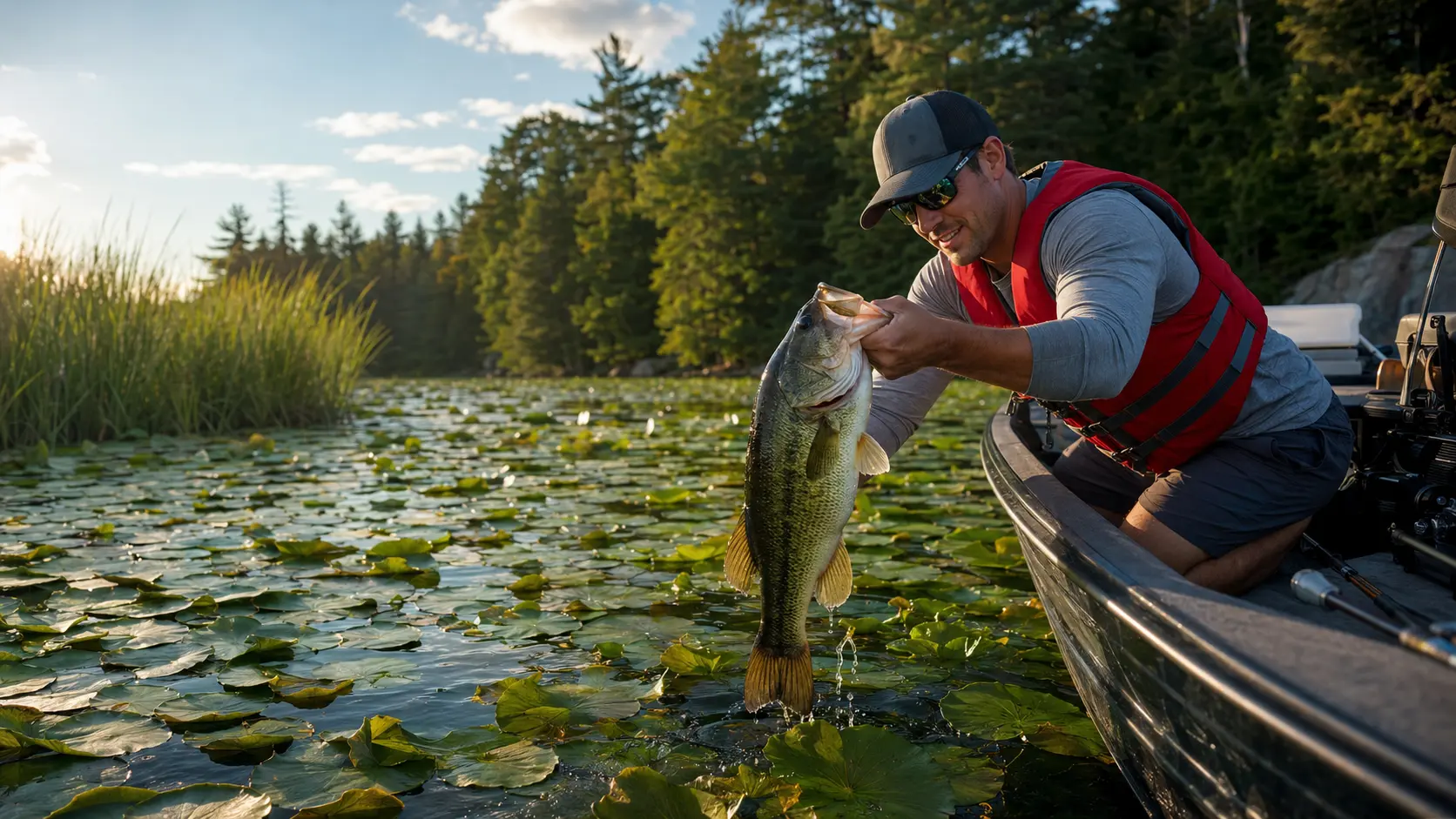 Ontario Largemouth BassFish Ontario largemouth bass in weed beds, lily pads, timber and docks with topwater lures, jigs, spinnerbaits and soft plastics.
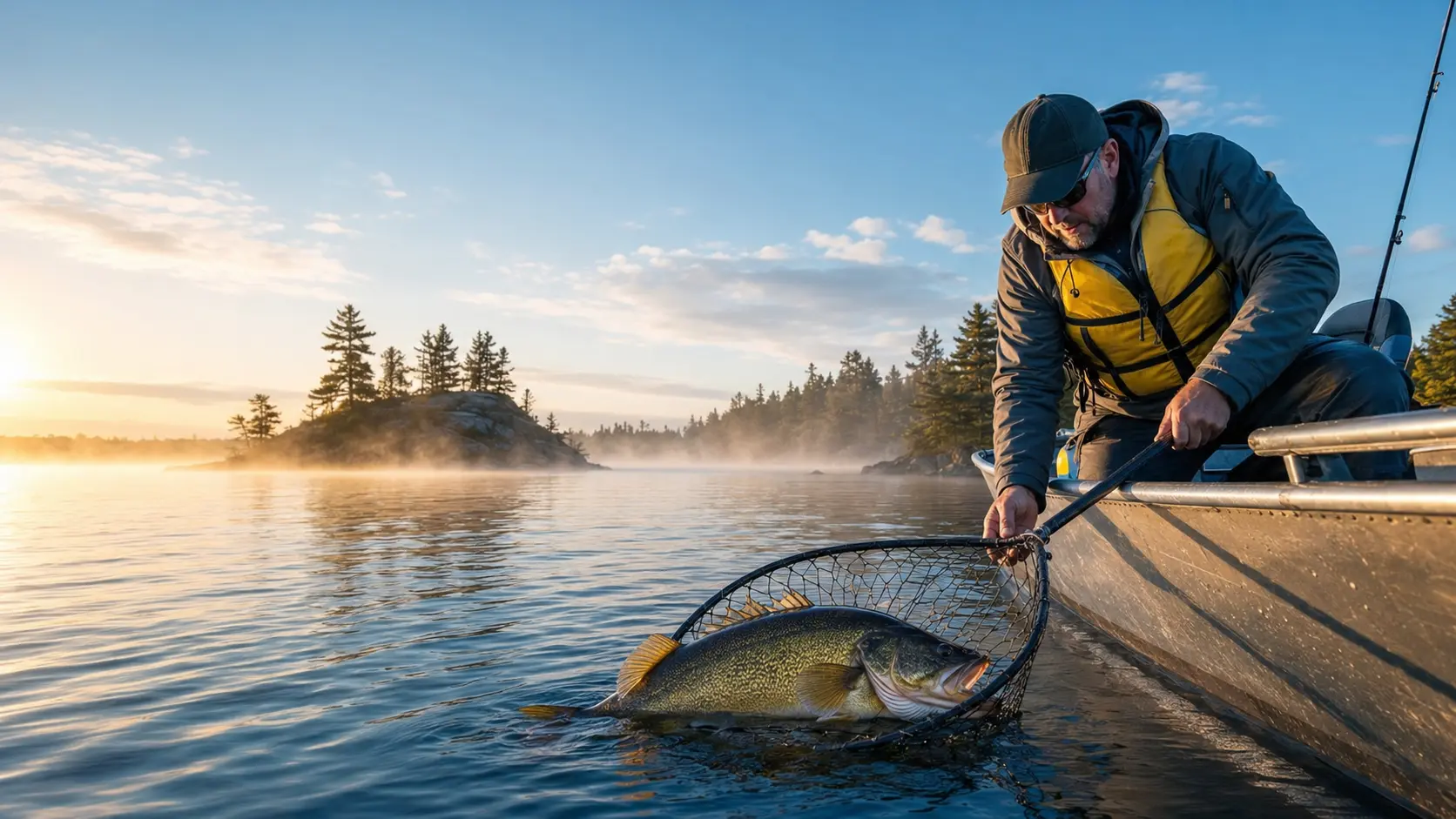 Ontario Walleye FishingPlan Ontario walleye fishing with tips for jigs, live bait, crankbaits, weed lines, reefs, evening bites and ice fishing.
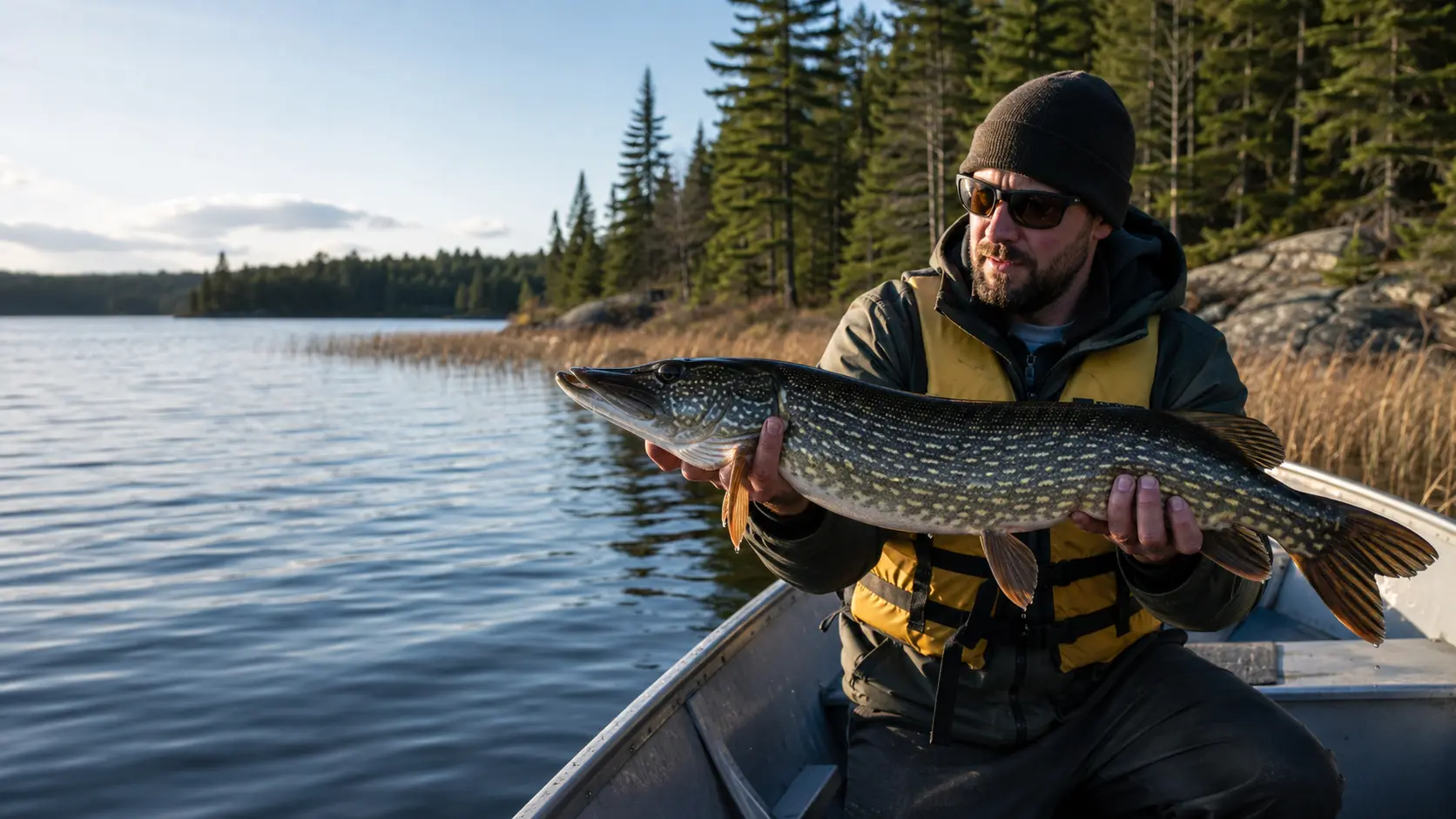 Ontario Northern PikeCatch Ontario northern pike in weed beds, bays and deep edges with spoons, spinnerbaits, bucktails, crankbaits and strong tackle.