LodgeStream
See lodges, lakes, boats and cabins from across Ontario.
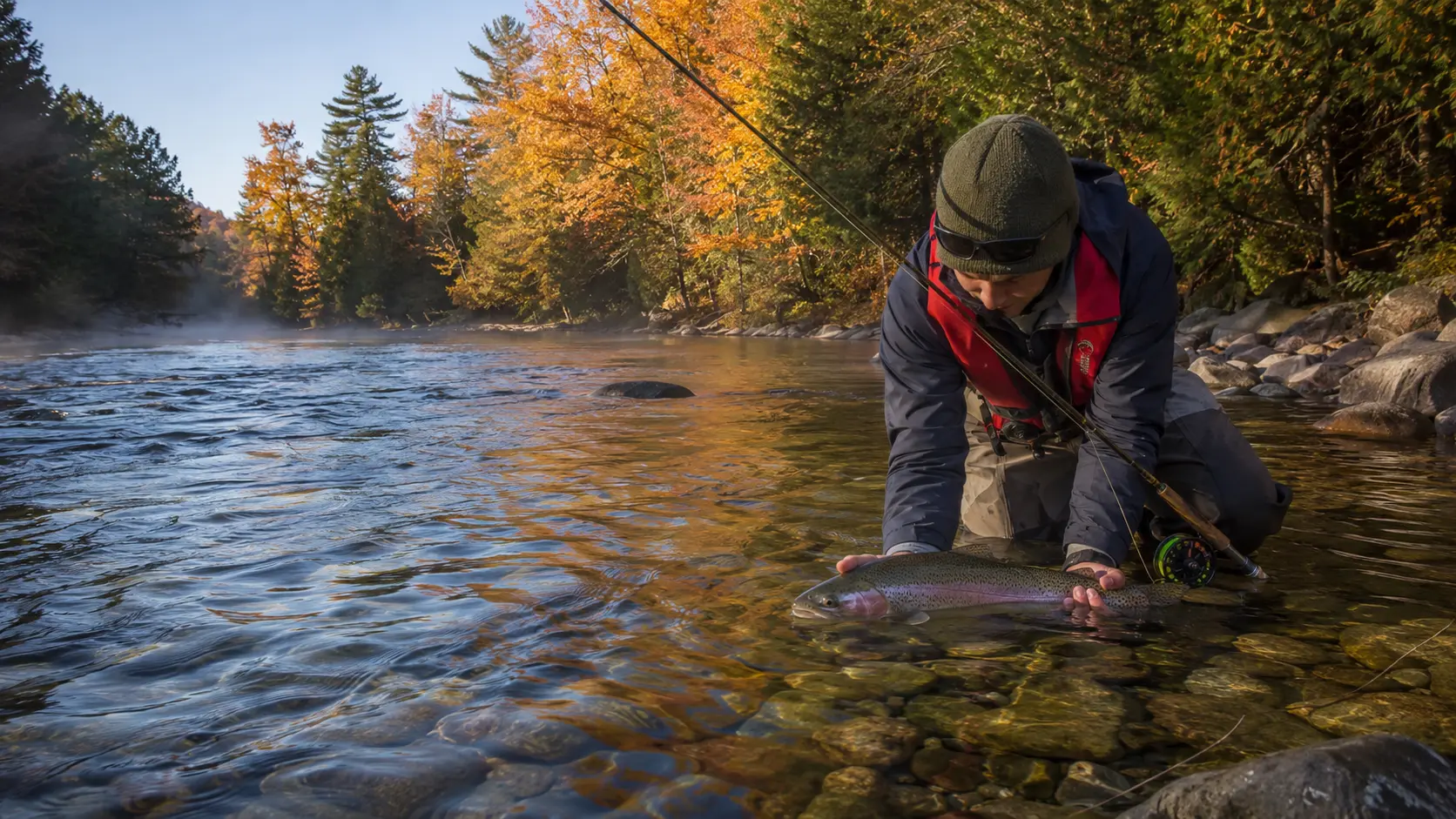
Bright fish, spring and fall migrations, and powerful runs in clear water.
When spring arrives, the migratory steelhead run is one of Ontario's great fishing events. Rainbow trout spend their lives in inland waters or the Great Lakes, while steelhead move into tributaries to spawn in spring and, in some systems, during fall.
Rainbow trout appeal to fly anglers and spin anglers alike. Their leaps and fast runs can test light tackle. On the Great Lakes, anglers often troll spoons during open water. In rivers, roe, beads, flies and small artificial baits are common.
Light line, small hooks and careful presentation help in clear tributaries. River levels, water temperature and fishing pressure can change the bite quickly, so quiet wading and a natural drift matter.
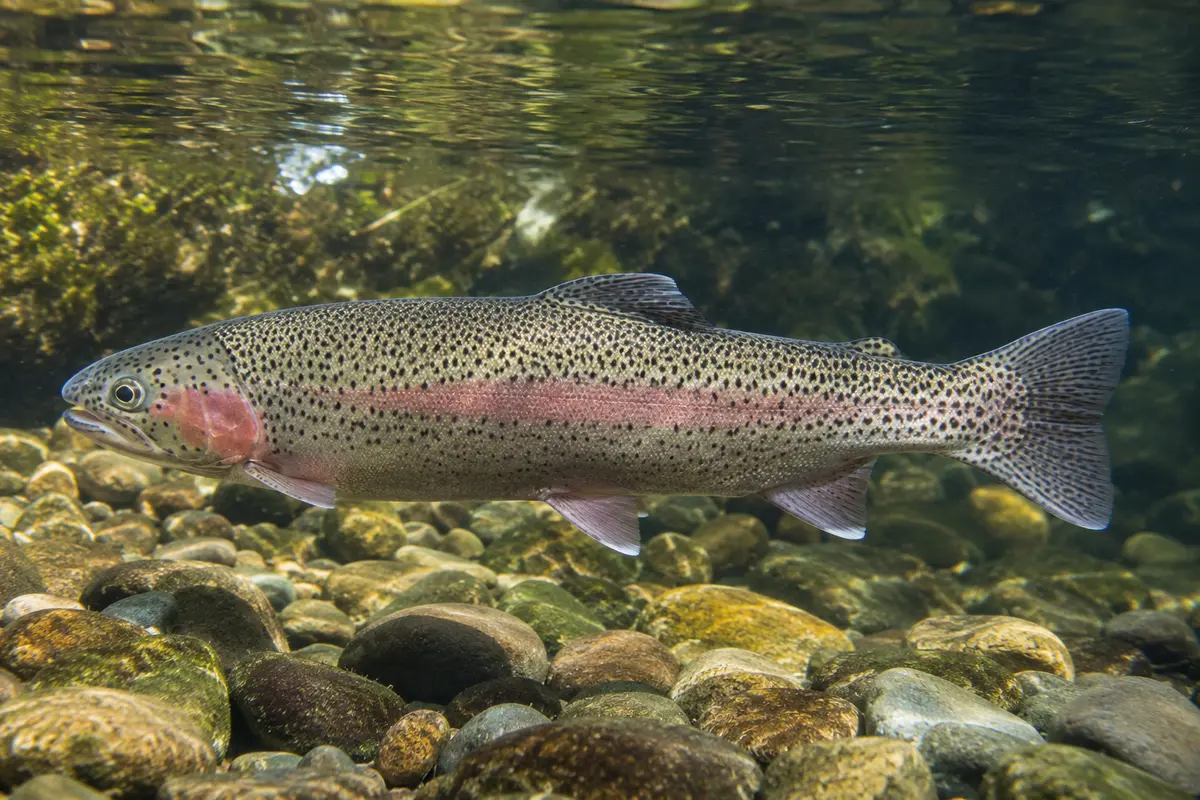
A good river setup includes safe wading boots, polarized glasses, a long-handled net and layers for cold conditions. Avoid spawning fish and redds, respect private property and check local seasons because tributary rules can change by location.
See lodges, lakes, boats and cabins from across Ontario.
Techniques for fishing weeds and thick largemouth cover.
Steelhead are rainbow trout that spend part of their lives in large lakes before returning to tributaries.
Natural-looking drifts with roe, beads, flies or small artificial baits are common choices in tributaries.
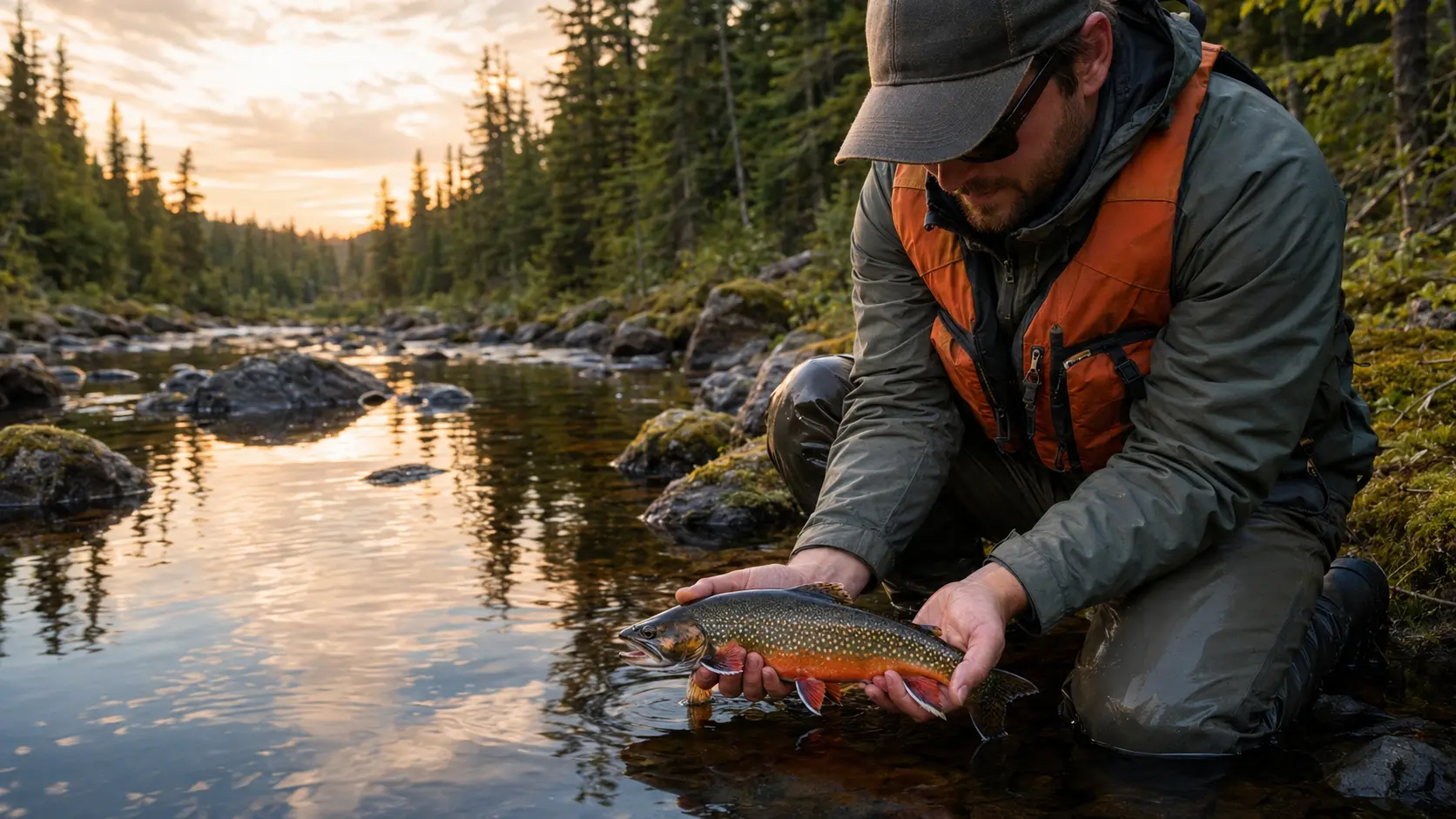 Ontario Brook TroutFish wild Ontario brook trout in cold streams, rivers and northern lakes with flies, spinners and light tackle.
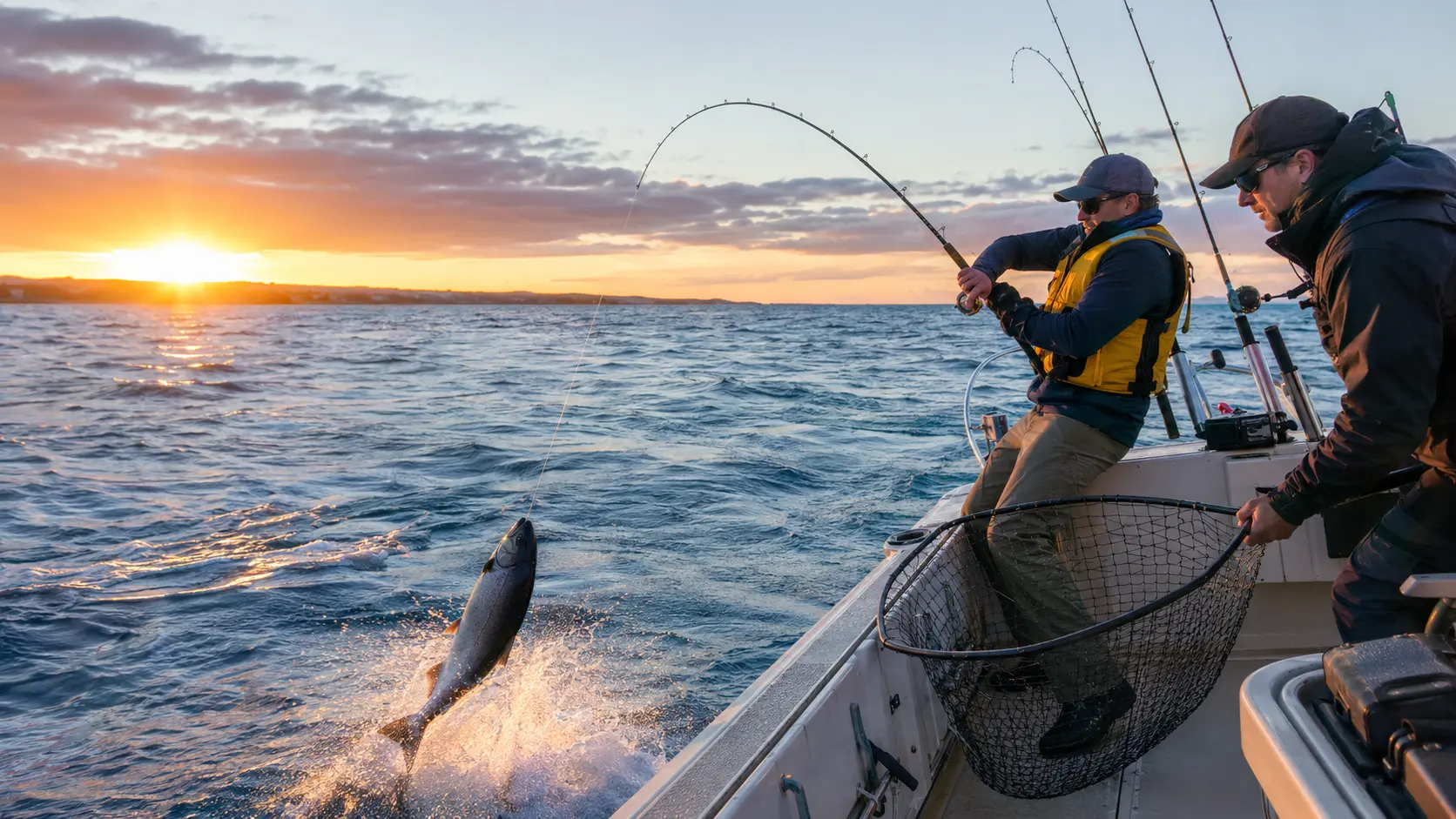 Ontario Salmon FishingFish Ontario Chinook, coho, pink and Atlantic salmon in the Great Lakes and tributaries by trolling, casting and drifting.
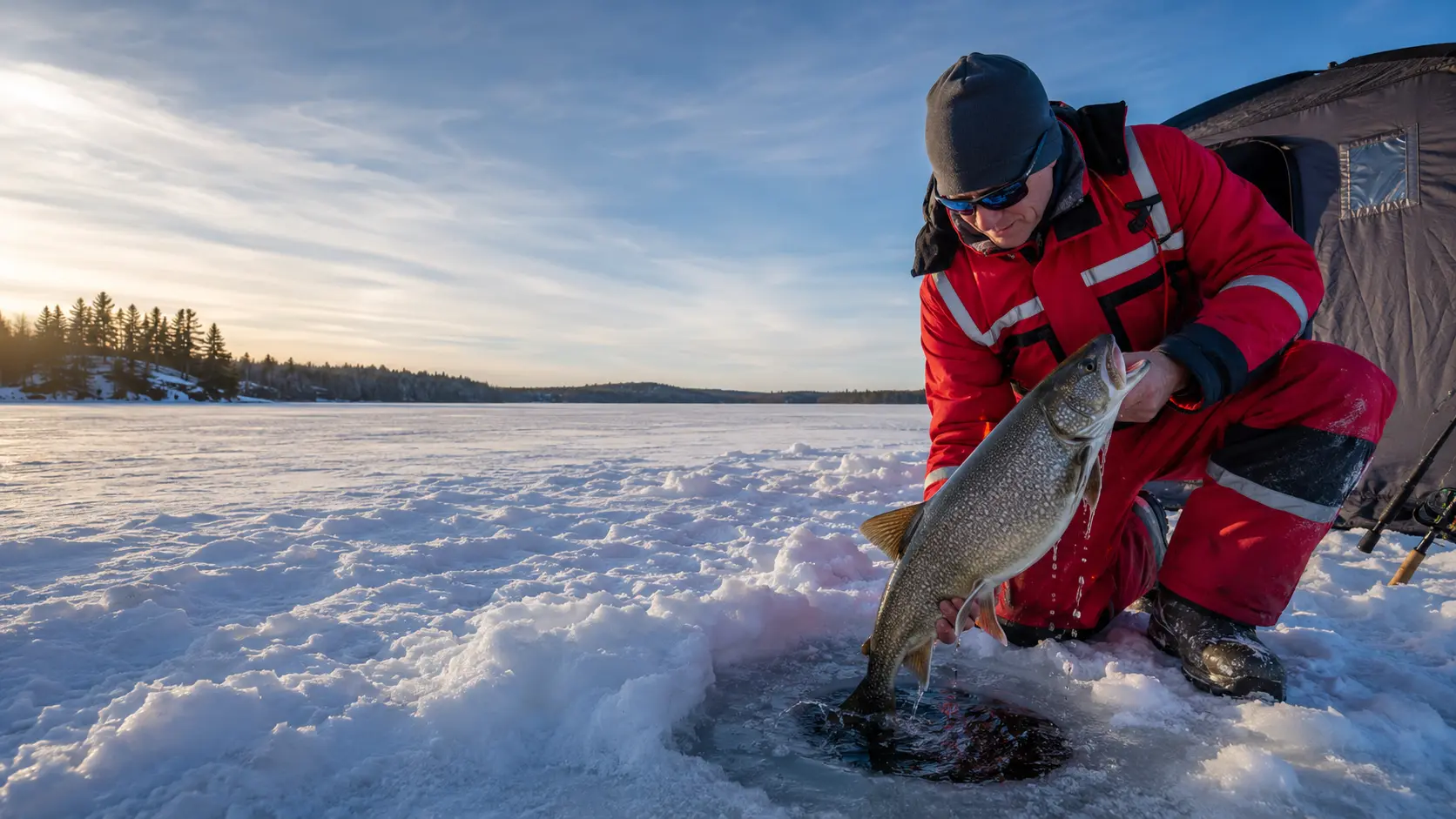 Ontario Lake TroutCatch Ontario lake trout by deep trolling, vertical jigging, spring casting and winter ice fishing in cold, clear lakes.