LodgeStream
See lodges, lakes, boats and cabins from across Ontario.
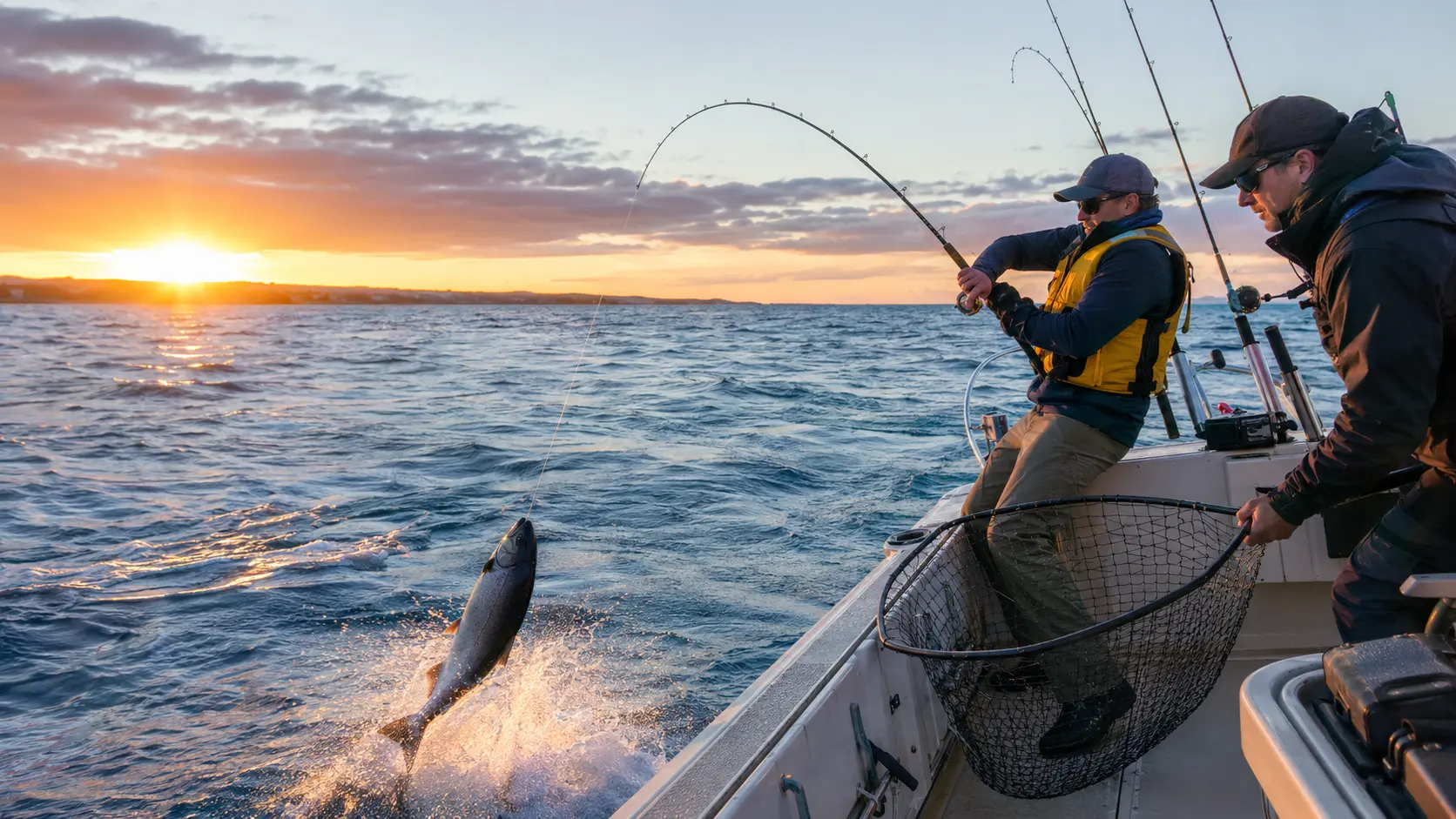
Hard runs, open water and autumn tributaries make salmon fishing a serious test.
For freight-train power, Ontario salmon are hard to top. Chinook salmon live throughout the Great Lakes and possess the strength to leave anglers with tired arms by the time the fish reaches the boat.
During spring and summer, many salmon hold in open and deeper water. Trolling spoons, flashers and other presentations with downriggers, divers or weighted lines helps reach them. Lake Ontario and Lake Superior support charter fleets for anglers who want local help.
Chinook are the main target in many areas, though coho, pink and Atlantic salmon may also be present. Species and numbers vary across the Great Lakes.
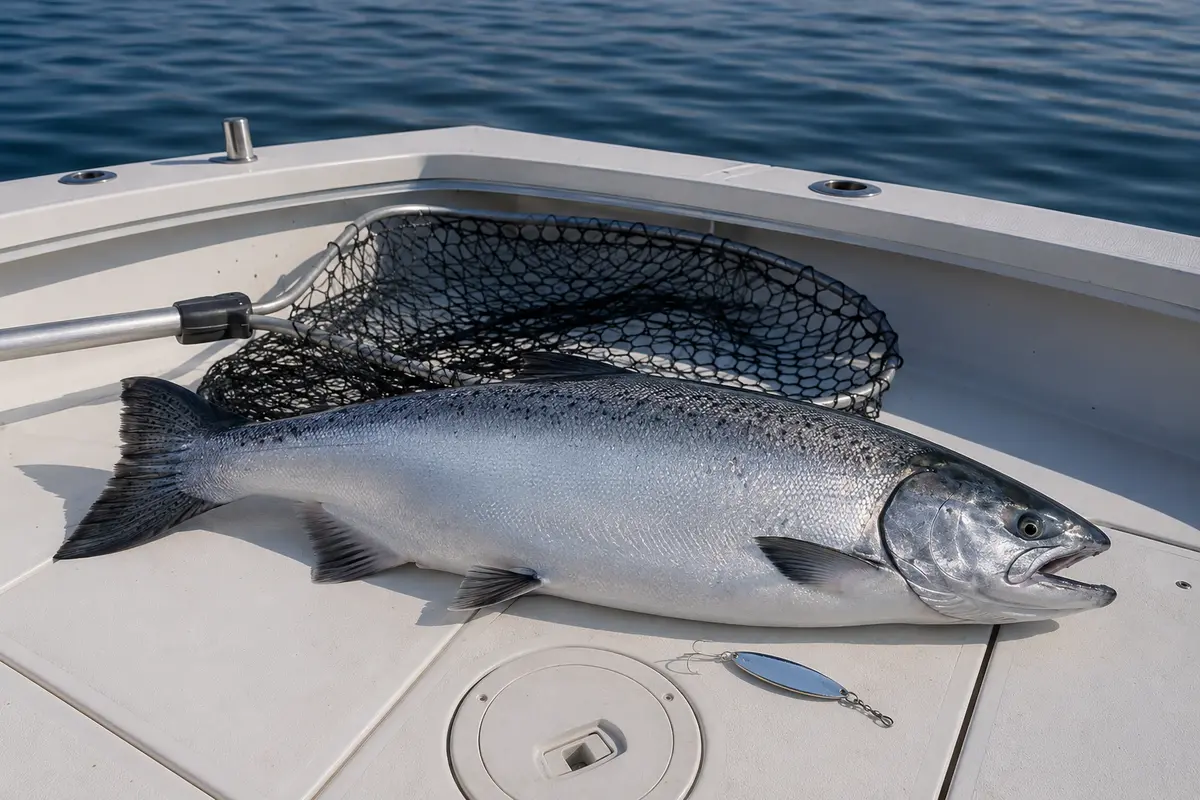
As autumn approaches, mature Chinook enter tributaries. Shore and river anglers use roe, spoons, flies and small crankbaits where rules permit. Give other anglers space, avoid intentionally snagging fish and check local seasons and sanctuary areas before fishing.
See lodges, lakes, boats and cabins from across Ontario.
Techniques for fishing weeds and thick largemouth cover.
The Great Lakes and many connected tributaries support salmon fisheries, with Lake Ontario and Lake Superior being major destinations.
Open-water anglers troll spoons and attractor rigs, while tributary anglers drift roe, flies and small artificial baits.
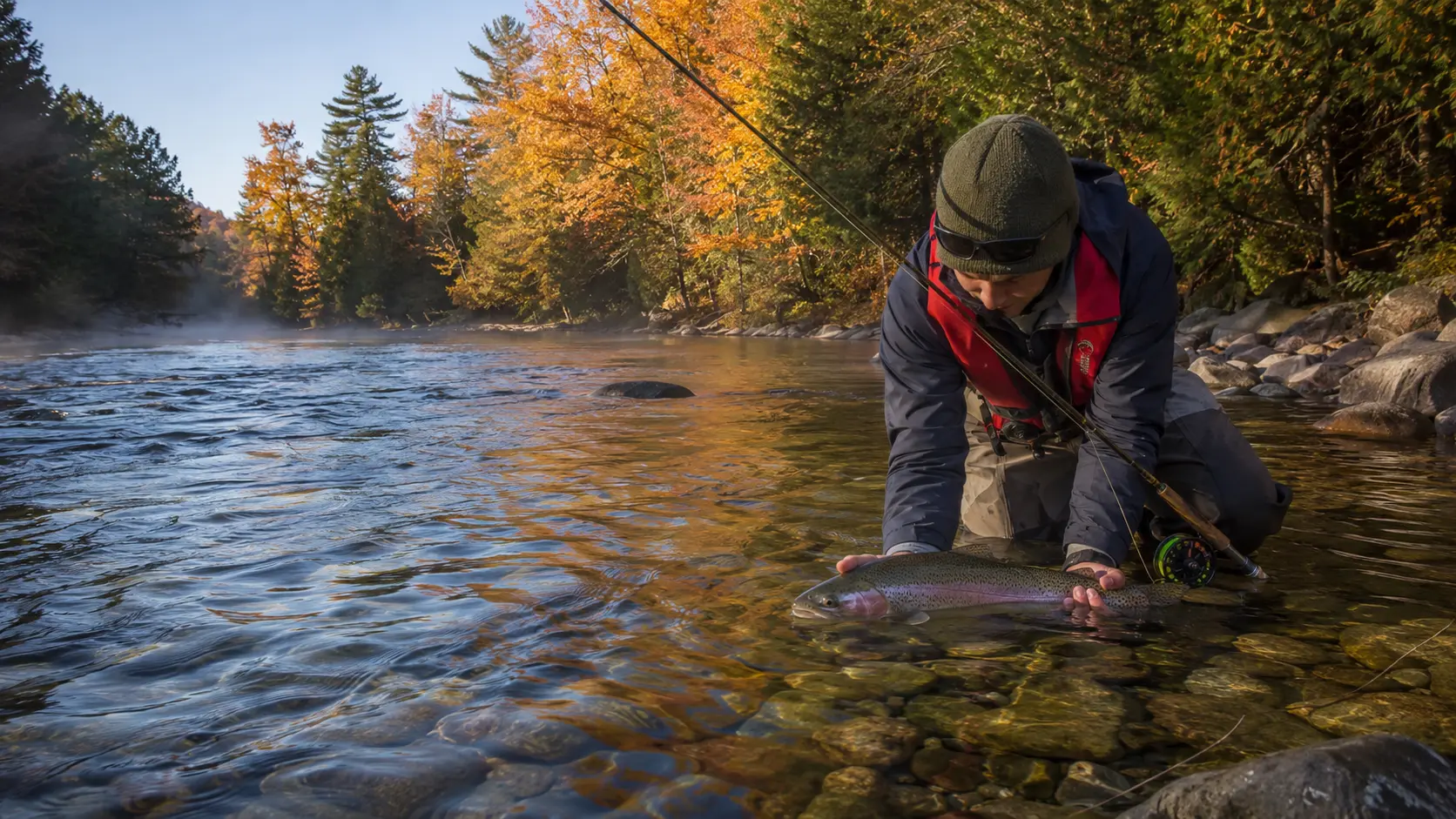 Rainbow Trout & SteelheadFish Ontario rainbow trout and steelhead in Great Lakes tributaries, inland lakes and rivers with flies, roe, spoons and light tackle.
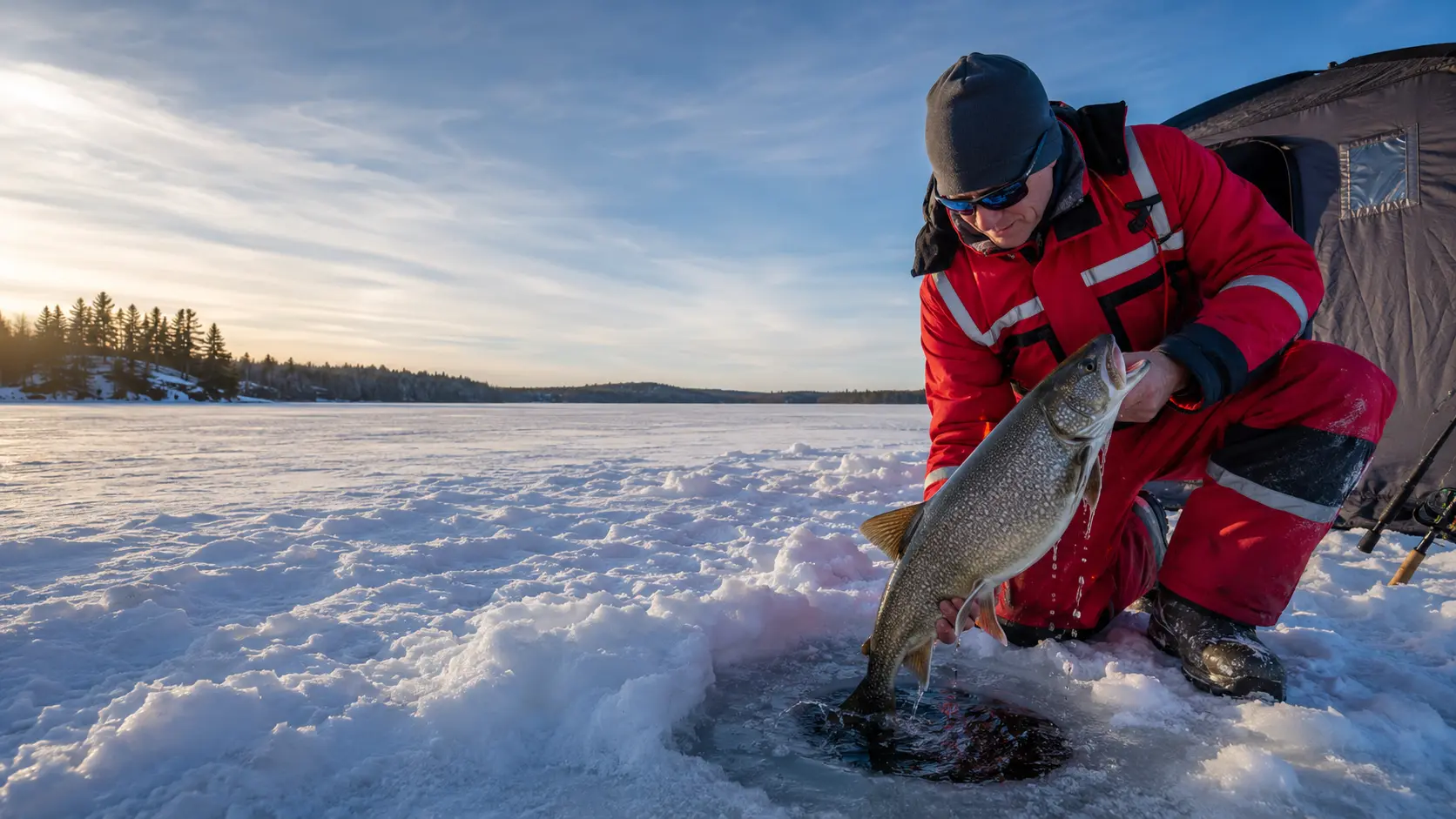 Ontario Lake TroutCatch Ontario lake trout by deep trolling, vertical jigging, spring casting and winter ice fishing in cold, clear lakes.
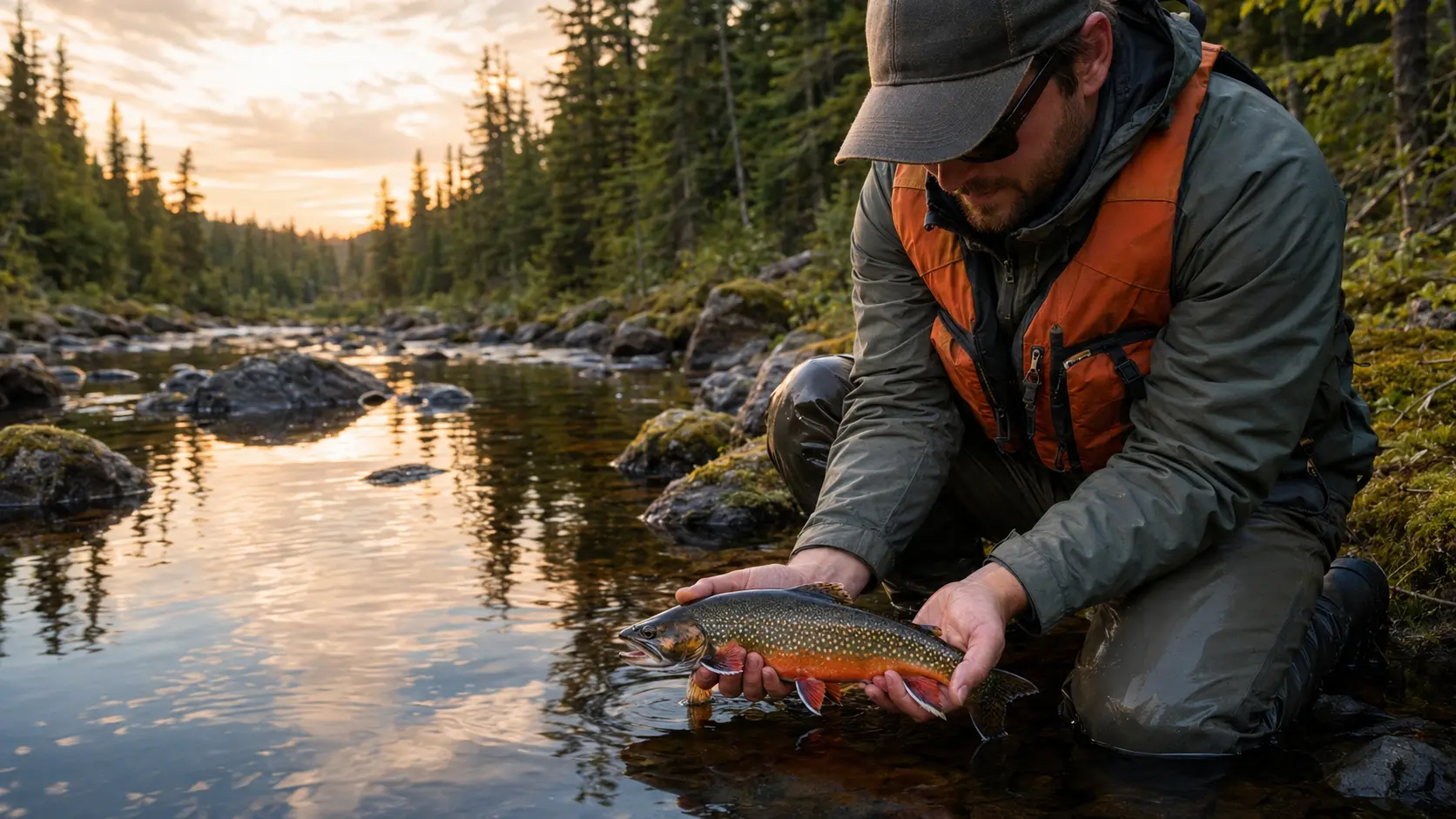 Ontario Brook TroutFish wild Ontario brook trout in cold streams, rivers and northern lakes with flies, spinners and light tackle.